

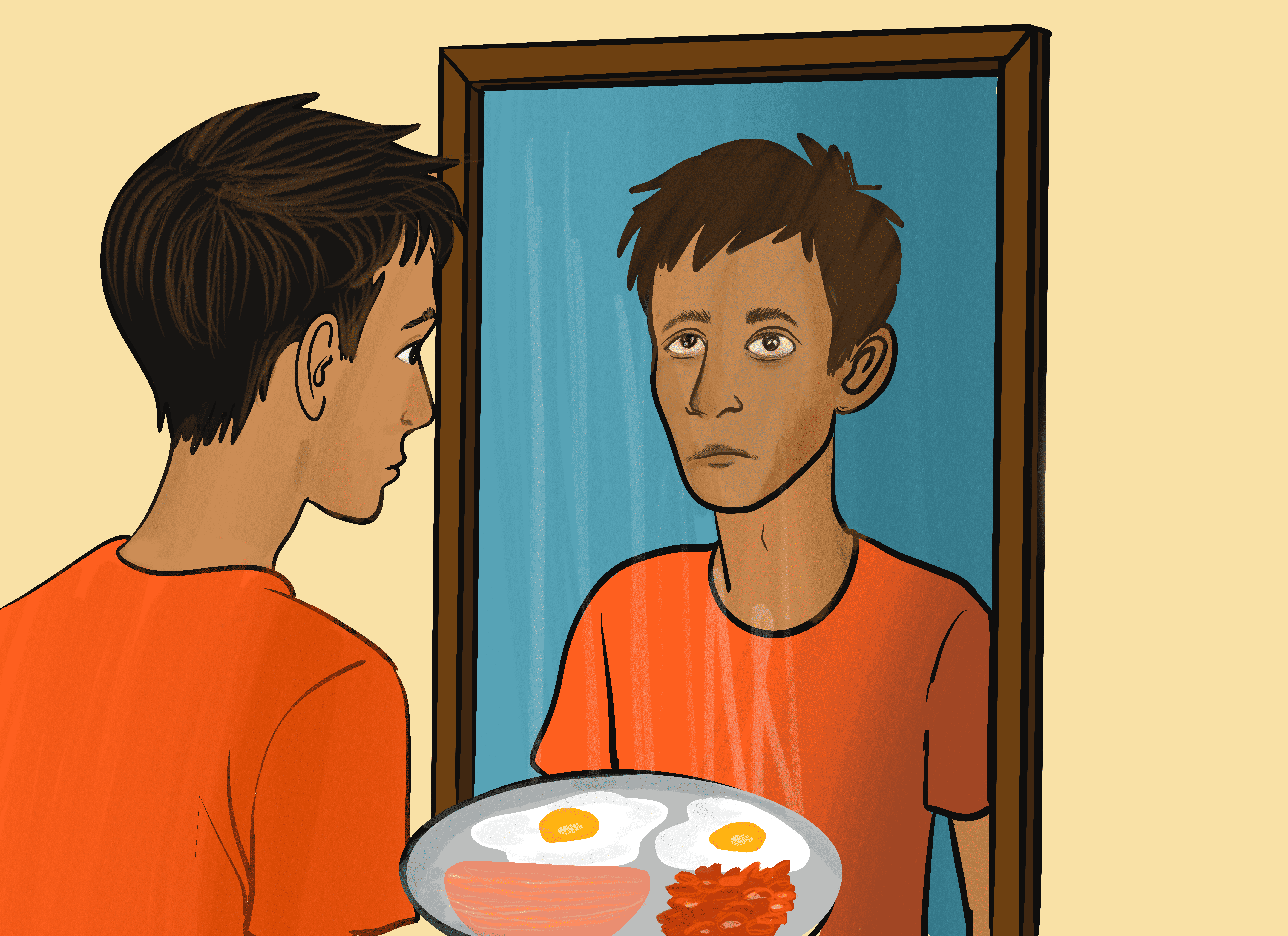
You might be doing everything “right” – eating eggs for breakfast, paneer for lunch, maybe a protein shake after your workout. Your plate looks packed with protein. Yet, when you check the mirror or try to lift those grocery bags, your muscles don’t seem to agree. How can that be?
Here’s the truth: not all protein is created equal, and your muscles need more than just a number on your nutrition tracker.
Essential vs Non-Essential Amino Acids
Proteins are made of amino acids, and not all amino acids are treated the same by your body. Some are essential, which means your body cannot make them on its own – you must get them from food. These include amino acids like leucine, lysine, and tryptophan. They are literally essential for muscle repair, recovery, and many other bodily functions.
Then there are non-essential amino acids. Your body can make these from other nutrients, so you don’t need to get them directly from your diet. But they are still important – they help build proteins, support metabolism, and even influence mood and immunity.
Think of essential amino acids like the key ingredients you must buy to make a recipe – salt, oil, or eggs. Non-essential amino acids are ingredients you can prepare at home, like blending your own spice mix. If you forget the essentials, the dish – or in this case, your muscles – won’t turn out right.
How Food Combinations Boost Protein for Muscle Growth
Scientists have a way to measure protein quality called PDCAAS, or Protein Digestibility Corrected Amino Acid Score. It checks whether a protein gives your body all essential amino acids in usable amounts. The score goes from 0 to 1, with 1 being the best – meaning the protein provides all essential amino acids your body can use efficiently.
Animal proteins like eggs, milk, whey, and fish score 1.0, making them top-notch for muscle building.
Most plant proteins score lower individually – dal or lentils around 0.5–0.7 and rice around 0.4–0.5. That’s because plant proteins are often missing one or more essential amino acids. For example:
Lentils (dal) – low in methionine
Rice – low in lysine
Individually, they are incomplete. But when you eat them together – dal with rice, rajma with rice, or chole with chapati – the amino acids missing in one are supplied by the other, giving a protein quality closer to 1. This makes plant proteins much more effective for muscle building.
This is why traditional Indian meals are naturally smart – they combine foods in ways that balance essential amino acids without any complicated planning.
Timing Is Everything
Even if your protein is top-notch, when you eat it matters. Muscles are most responsive to protein right after activity. That’s why post-workout nutrition is so important. Skipping protein after exercise is like leaving your ingredients on the counter instead of using them when it matters – just like a cake won’t rise if you wait too long to bake it. The repair and growth process slows down if you don’t give your muscles what they need at the right time.
Too Much of the Wrong Kind Can Backfire
Sometimes, we focus on protein numbers and overlook the bigger picture. Eating a protein-rich meal that is also very high in sugar or refined carbs can blunt muscle-building signals. Similarly, chronically under-eating or skipping meals can leave your body in a mild “stress” mode, where it prioritizes survival over building muscle.
Strength Isn’t Just About Protein
Muscles respond to stimulus. Resistance training, weight-bearing exercises, or even simple bodyweight routines send the signal to your body to use protein to build strength. Without that signal, even the best protein won’t translate into visible muscle.
Putting It All Together
If you want your meals to truly be muscle-friendly:
Focus on high-quality protein sources – eggs, dairy, fish, poultry, or thoughtfully combined plant proteins.
Time your protein – aim for a protein-rich meal or snack within two hours of your workout.
Pair protein with whole foods – include vegetables, healthy fats, and complex carbs to support recovery.
Move your muscles – resistance and strength training are non-negotiable if you want to see results.
Consistency beats perfection – small, daily habits accumulate into stronger, healthier muscles over time.
Next time you glance at your plate and think it looks protein-packed, pause and ask:
“Am I feeding my muscles the essential amino acids they cannot make on their own, at the right time, and giving them the fuel they need?”
Because protein is necessary, but without quality, timing, and movement, it’s easy to stay muscle-poor even on a protein-rich diet.
Your muscles are quietly waiting. Let’s give them the right fuel and the right signals to thrive!