

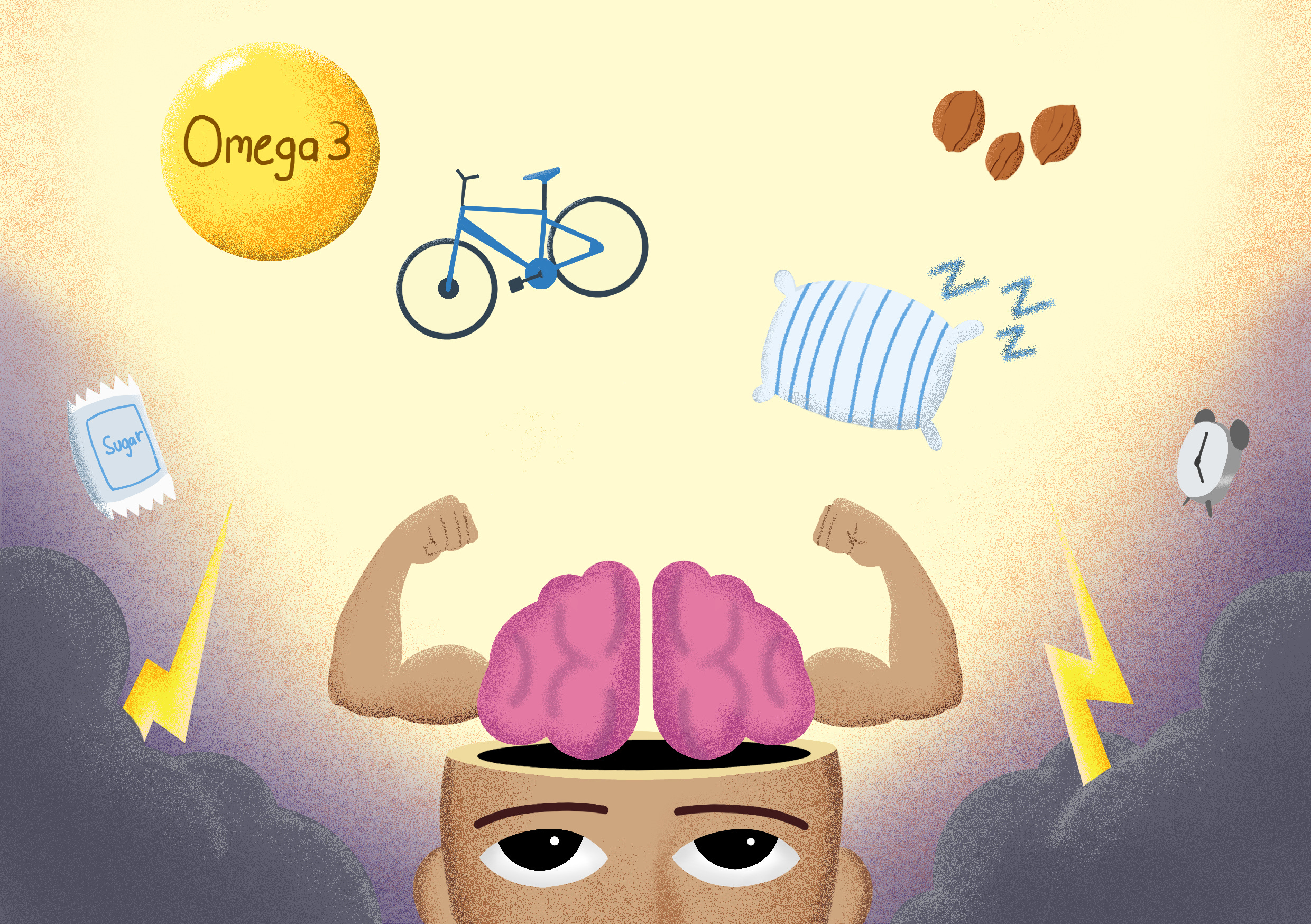
Have you ever walked into a room and wondered why you went there? Or paused mid-conversation because a name suddenly slipped your mind? It’s easy to laugh it off as “just age,” but sometimes these lapses are your brain’s way of asking for attention.
Like muscles and joints, your brain changes over time. Stress, poor sleep, shifting hormones, even what’s on your plate - all quietly shape how well you think and remember. Forgetfulness isn’t always a normal part of aging. Conditions like Alzheimer’s can begin developing years before symptoms appear, which means the way you eat, move, and rest in midlife can have a powerful impact on how resilient your brain remains.
Why Memory Slips Happen
Stress hormones like cortisol act like static on a phone line - your brain is trying to send a signal, but the message keeps getting interrupted. Without deep sleep, memories don’t get properly “filed,” so it feels like searching a messy desk.
For women, hormonal changes during perimenopause and menopause add another layer: when estrogen dips, brain cells don’t communicate as smoothly. And a diet high in sugar and processed foods slowly builds inflammation, like rust on delicate wiring.
The good news? These are signals, not destiny.
When to Pay Attention
Most slips are harmless and improve with rest or reduced stress. But consider checking in with a professional if you notice:
Forgetting familiar names or tasks often
Losing your way in well-known places
Struggling to follow conversations
Mood or personality changes alongside memory issues
These signs don’t always mean Alzheimer’s, but they do mean your brain deserves more care.
How to Nourish Your Brain
Your brain can be strengthened at any age. Some simple but powerful ways include:
Nutrition Support
Healthy fats: Omega-3s from fatty fish (salmon, sardines, mackerel) provide EPA and DHA to keep brain cells flexible and communication smooth. Plant sources like walnuts, flaxseed, and chia provide ALA, which the body can convert into EPA and DHA (though in small amounts). Even so, plant sources are valuable for fiber, antioxidants, and extra nourishment. For optimal support, a mix of plant and marine (or algae-based, for vegetarians) omega-3s works best.
Antioxidants: Berries, leafy greens, and turmeric act like bodyguards, protecting brain cells from daily stress and damage.
Key vitamins: B12 and D support clear nerve signaling and keep the brain’s wiring sharp.
Small daily additions: A handful of walnuts, a serving of curd, a sprinkle of turmeric, or a serving of fatty fish layer protection over time.
Lifestyle Support
Move daily: Exercise boosts blood flow and oxygen delivery to brain cells.
Prioritize sleep: Deep sleep clears toxins and organizes memories.
Challenge your mind: Reading, learning, or puzzles keep pathways active.
Stay connected: Conversations and laughter release protective brain chemicals.
Scientists call this cognitive reserve - the extra strength your brain builds to stay sharp even as it ages.
Listen to Your Brain
Forgetfulness may feel inevitable in midlife, but it isn’t the whole story. With the right nourishment, rest, movement, and mental stimulation, your brain can stay clear and resilient for years.
So the next time you brush off a memory slip as “just age,” pause for a moment. Your brain is sending a message: take care of me today, so I can take care of you tomorrow!