

You’re hungry. Really hungry. Lunch is finally in front of you and you dive in.
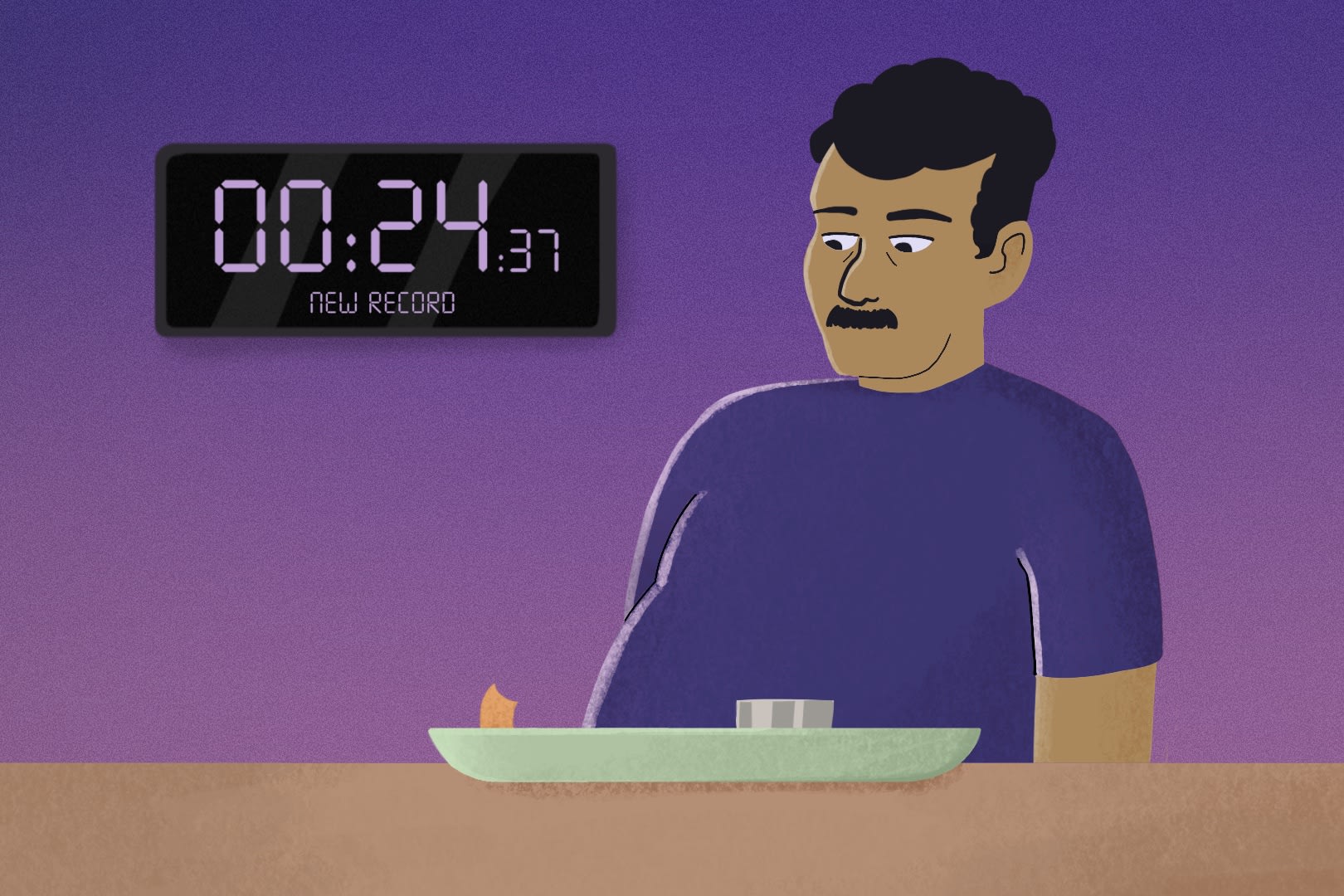
You finish your meal in five minutes. You barely remember tasting it. Your plate is empty but you don’t feel satisfied. Just full and uncomfortable.
An hour later, the bloating starts. Your stomach feels heavy. That afternoon slump hits hard.
You blame the food. Maybe it was too oily. Maybe you ate too much.
But what if the problem wasn’t what you ate, but how fast you ate it?
Digestion Starts in Your Mouth
Most people think digestion begins in the stomach, but it actually starts in your mouth. When you chew, your saliva releases enzymes that start breaking down food, especially carbohydrates. At the same time, saliva softens the food so your stomach can digest it more easily later.
But here’s the thing. This only works if you actually chew properly. When you eat fast, you swallow large, poorly chewed pieces before your saliva has had enough time to do its job. That means your stomach has to work much harder to break everything down. And when your stomach is overwhelmed, digestion slows down and you end up feeling bloated and uncomfortable.
What Happens When You Eat Too Fast
Your stomach doesn’t have teeth, so it depends entirely on the chewing you’ve already done. When big chunks of food arrive, it has to work overtime to break them down. This takes longer and uses more energy than it should.
Meanwhile, you’re eating so quickly that you’re missing your body’s fullness signals. Your stomach has stretch receptors that tell your brain when it’s getting full. Your intestines also release hormones that travel to your brain to signal satisfaction, but this process takes about 20 minutes.
If you finish eating in five minutes, both of these signals arrive too late. You’ve already overeaten before your body had a chance to tell you to stop. That’s why you feel stuffed but somehow not satisfied.
There’s another problem too. When food isn’t properly chewed, larger pieces reach your intestines. Your gut bacteria struggle to process these bigger particles efficiently, which leads to gas and bloating.
Why Slowing Down Makes a Difference
When you eat slowly, you give your body the time it needs to send those fullness signals. You start noticing when you’re comfortably full and can stop before you’re stuffed. Well-chewed food is also much easier for your stomach and intestines to handle. They can work efficiently, absorb nutrients better, and leave you feeling lighter and more energized instead of heavy and sluggish.
Research shows that people who eat slowly not only feel more satisfied but also experience significantly less bloating and digestive discomfort.
How to Actually Slow Down
You don’t need a stopwatch or a complicated plan. Small shifts make a real difference.
Put your phone away because distractions make you eat faster without even realizing it.
Chew each bite more, breaking it down until it’s soft.
Take smaller bites, which naturally slows your pace.
If you can, eat with others. Conversations naturally pace your eating and make meals more enjoyable.
And pay attention to the taste and texture of your food. When you actually notice what you’re eating, you naturally slow down.
Start With One Meal
You don’t have to change every meal overnight. Just start with one, maybe dinner. Sit down without distractions. Chew properly. Notice how you feel afterward.
That’s it. One meal, eaten with awareness. Your gut will thank you for it.