

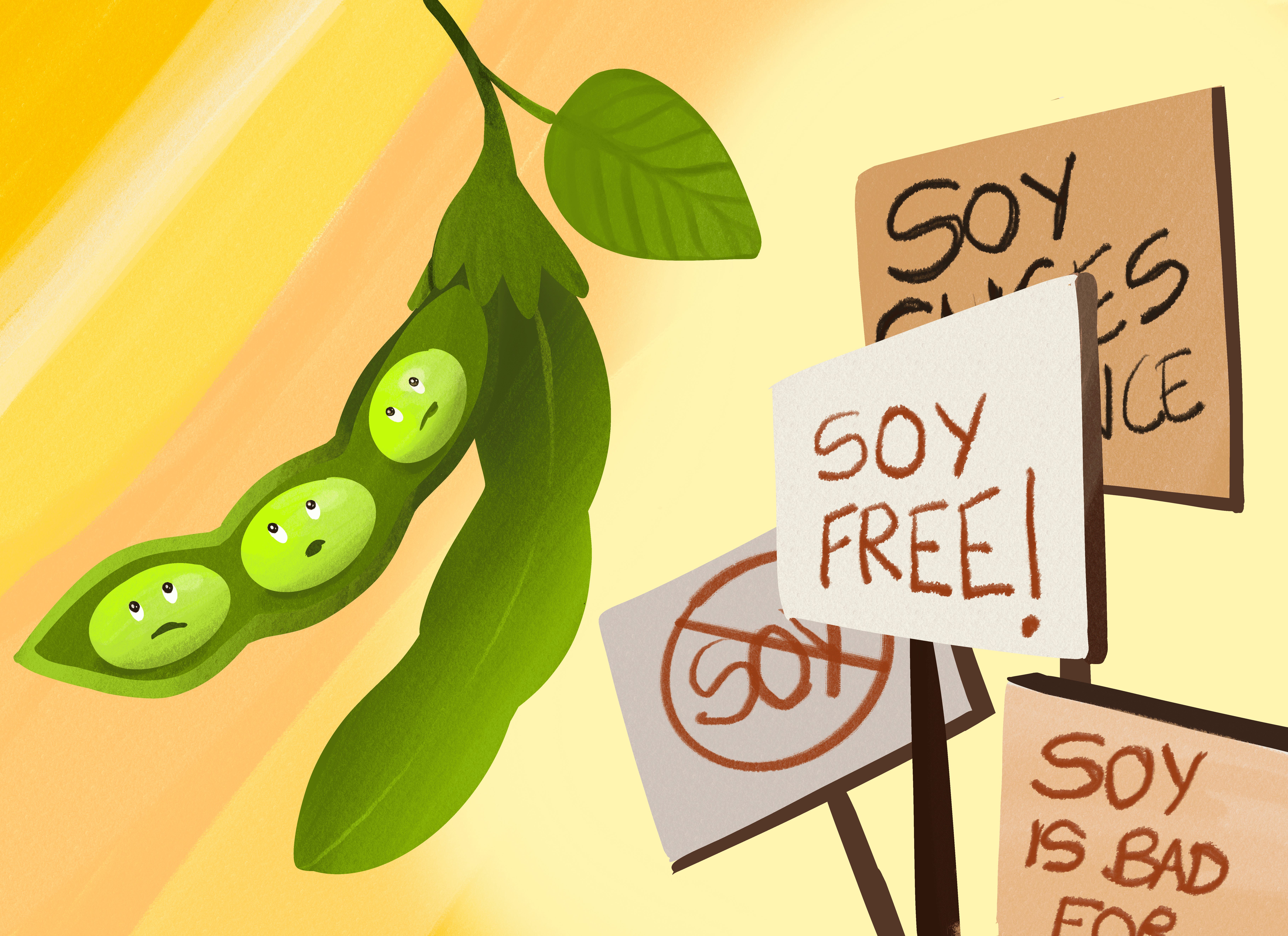
As a nutritionist, one of the most common questions I hear is:
“Should I avoid soy? I have heard it messes with hormones, thyroid, and even breast cancer risk.”
It is natural to be cautious, and I often see clients avoiding soy because of these fears. The truth is, most of what you have heard about soy is not accurate. Avoiding it could mean missing out on one of the healthiest plant proteins available, especially for women who want to support hormone balance, heart health, and strong bones.
Let us take a closer look at the myths I hear most often and see what science actually says.
Myth 1: Soy acts like estrogen and fuels breast cancer
Many women avoid soy because they worry its plant compounds, called isoflavones, act like estrogen and could increase breast cancer risk. The truth is reassuring.
Isoflavones work like “smart” estrogen helpers. In places like the breast, they can block too much estrogen activity, while in areas where estrogen is low, such as the bones or heart - they give gentle support. Studies show that every extra 10 mg of isoflavones a day is linked to about a 3% lower risk of breast cancer.¹
Even women who have had breast cancer often experience better outcomes when soy is included in their diets. This makes soy not just safe, but actually protective for many women.
Myth 2: Soy harms the thyroid
Some people with thyroid concerns avoid soy, thinking it could reduce thyroid function. Soy can slightly interfere with the absorption of thyroid medication if eaten at the same time, similar to coffee or calcium. For people with normal thyroid function, soy does not harm the thyroid. The simple solution is to take thyroid medication on an empty stomach and wait half an hour to an hour before eating soy. Soy contains compounds called goitrogens that can mildly affect thyroid activity in sensitive conditions, but when eaten as part of normal meals rather than concentrated supplements, these effects are minimal.²
Myth 3: Soy is not a complete protein
Many people assume plant proteins are inferior to animal proteins. Soy is a complete protein containing all nine essential amino acids the body cannot make on its own. Its protein quality is very high, with a PDCAAS score of 0.91, which means the body can absorb and use it almost as efficiently as animal proteins like chicken or eggs. This makes it highly effective for supporting muscles, repairing tissues, and maintaining bones and hormones. Pairing soy with other foods like rice, dal, or vegetables throughout the day ensures all amino acids are available in optimal amounts. This makes soy an excellent protein option for vegetarians, vegans, or anyone reducing meat intake.³
Myth 4: Soy feminizes men or lowers testosterone
Some men avoid soy because they fear it will reduce testosterone or cause feminizing effects. Research shows that normal soy intake does not lower testosterone, affect sperm count, or cause hormonal imbalance. Isoflavones bind differently to estrogen receptors compared to human estrogen and don’t meaningfully change male hormone levels. In fact, they often block estrogen effects in tissues where estrogen is too high.
Men can safely include soy in their diets and benefit from its protein and heart health properties without concern.⁴
Myth 5: Soy causes bloating or digestive issues
Some people notice mild digestive discomfort with certain soy foods. This is often about individual sensitivity and the form of soy eaten. Tofu and tempeh are usually gentle on the stomach, while soya chunks and soy flour can be harder for some people to digest. Cooking, boiling, or fermenting soy reduces the natural compounds that can interfere with protein absorption, making it easier for digestion. Most people tolerate soy well once they start with easier-to-digest forms and increase portions gradually.⁵
How to Include Soy in Everyday Meals
Soy can fit naturally into your daily meals. Start your day with soy milk in tea, coffee, or smoothies.
Include tofu, tempeh, or soya chunks in curries, stir-fries, or salads for lunch and dinner.
Snack on roasted edamame or soy nuts for a protein boost.
Begin with small portions and notice how your body responds. Most people find that including soy regularly improves satiety, energy levels, and overall wellness.
The Bottom Line
Soy is not a villain. It is a nutrient-rich, complete protein that supports hormone balance, heart health, and strong bones. The myths are louder than the science, but when you look at the evidence, soy is safe, versatile, and worth including in your diet. Avoiding it out of fear may mean missing out on a simple and powerful way to nourish your body.
Curious about the science behind soy? Here are the studies and sources that back up what we’ve shared:
1. Isoflavones and breast cancer risk
2. Soy and thyroid function
3. Soy as a complete protein
4. Soy and men’s hormonal health
5. Soy and digestion