

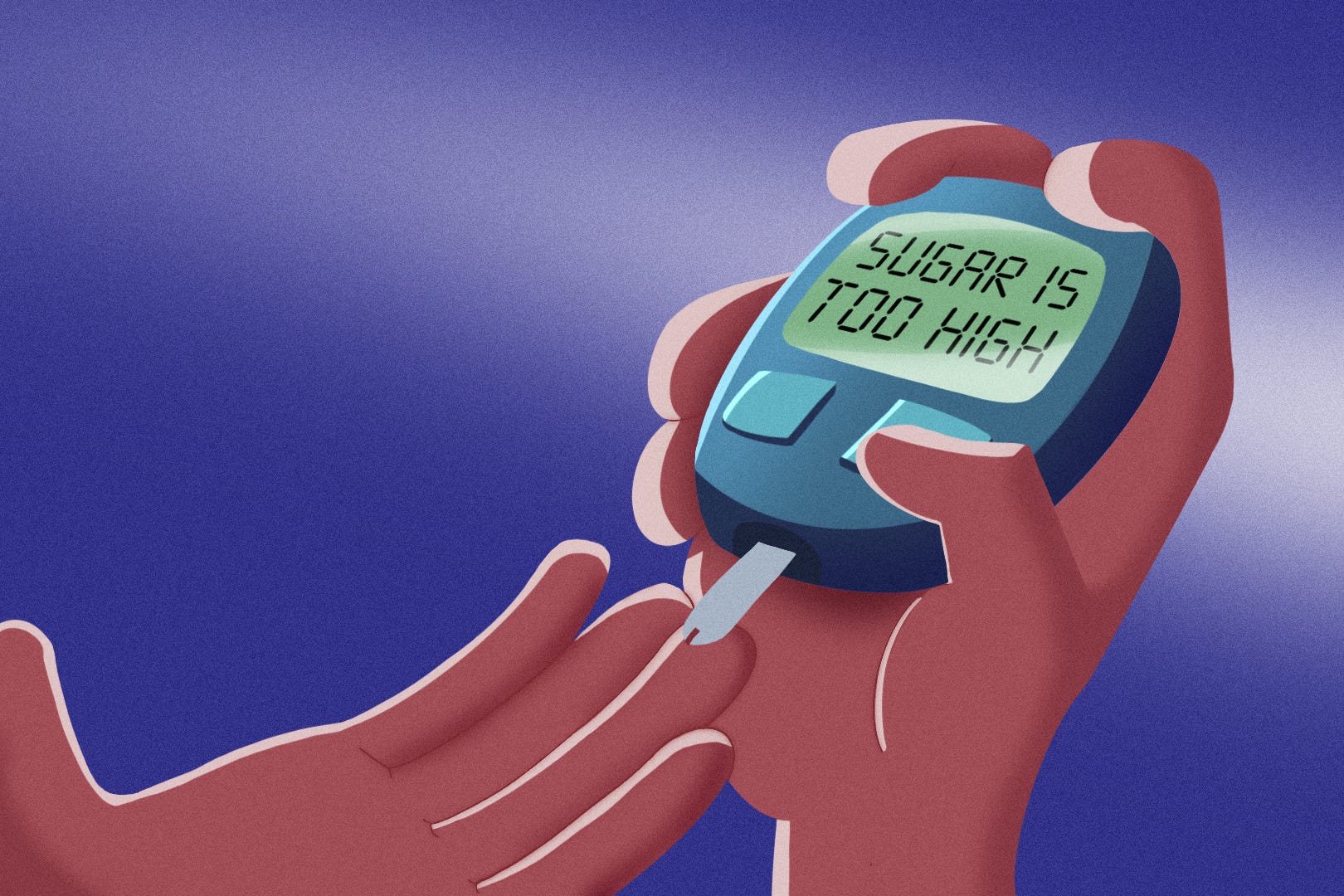
“I’m pre-diabetic. But I’m not even 40.”
I had a client recently who came to me with lab reports in hand, looking confused and a little scared. “Pre-diabetic,” the report said. HbA1c was 6.1%. Fasting blood sugar was 108.
“I don’t understand,” they said. “I’m only 38. I don’t even eat that much sugar. How did this happen?”
This isn’t the first time I’ve had this conversation. It’s not even the tenth. I’m seeing this more and more. People in their 30s, sometimes even younger, getting routine blood work done and discovering their blood sugar is already in the danger zone.
The scary part? Most of them had no idea anything was wrong until they saw those numbers on paper.
What Pre-Diabetes Actually Means
Pre-diabetes means your blood sugar levels are higher than normal but not yet high enough to be called Type 2 diabetes. Your fasting blood sugar is between 100 and 125 mg/dL, or your HbA1c (which shows your average blood sugar over three months) is between 5.7% and 6.4%.
It’s a warning sign. Your body is struggling to manage blood sugar properly. Your cells are becoming resistant to insulin, the hormone that helps sugar enter your cells for energy. Without changes, pre-diabetes often progresses to full Type 2 diabetes within a few years.
But here’s the important part: pre-diabetes is reversible. Diabetes, once it develops, is manageable but not curable. Pre-diabetes gives you a window to turn things around completely.
Why It’s Happening to Younger People
My client wasn’t eating sweets all day. They weren’t living on soda and desserts. But when we went through a typical day, the patterns became clear.
Breakfast was often just tea with biscuits or nothing at all. By mid-morning, there’d be another round of biscuits or a packet of namkeen. Lunch was late, around 2 or 3 PM, and often just dal-chawal or a paratha. Dinner was light, maybe roti and sabzi, kept intentionally small to be “healthy.”
The meals were almost entirely carbohydrates with very little protein or fat. Blood sugar was spiking and crashing all day long. Over months and years, this constant stress on the body leads to insulin resistance. Cells stop responding to insulin properly. The pancreas has to work harder and harder to keep blood sugar in check. Eventually, it can’t keep up.
Add to this sitting at a desk most of the day. Stress from juggling work and home with little time to breathe. Poor sleep, often just five or six hours a night. All of these, sitting too much, chronic stress, and inadequate sleep, make insulin resistance worse.
What Actually Worked
We didn’t overhaul everything at once. We made small, sustainable changes.
Started eating protein at every meal. Eggs or paneer at breakfast. Chicken, fish, or dal with lunch & dinner. Greek yogurt or a handful of nuts as a snack. Protein helps slow down how quickly sugar enters the bloodstream and keeps you full longer.
Added more vegetables to meals. Not just sabzi as a side, but making vegetables the main part of the plate. Fiber from vegetables also slows sugar absorption.
Stopped skipping meals and eating too late. Regular meal times helped stabilize blood sugar throughout the day.
Moved more. Not intense workouts, just a 20-minute walk after dinner. Even this small amount of movement helps muscles use up sugar from the blood.
Prioritized sleep. Started winding down earlier, aiming for seven hours. Better sleep improves how the body responds to insulin.
Within three months, fasting blood sugar dropped to 95. HbA1c came down to 5.5%. Pre-diabetes reversed. More energy. Less constant hunger. Feeling like themselves again.
Why This Matters to You
Pre-diabetes isn’t a life sentence. It’s a signal. Your body is telling you something needs to change before it’s too late.
If you haven’t had your blood sugar checked recently, especially if you’re over 30, get it tested. You can walk into any lab and get a fasting blood sugar and HbA1c test done without a prescription. These two simple tests can tell you where you stand.
And if your numbers are higher than they should be, know this - small changes add up. You don’t need to be perfect. You just need to start.
Because catching it now, while it’s still reversible, is one of the best things you can do for your long-term health.