

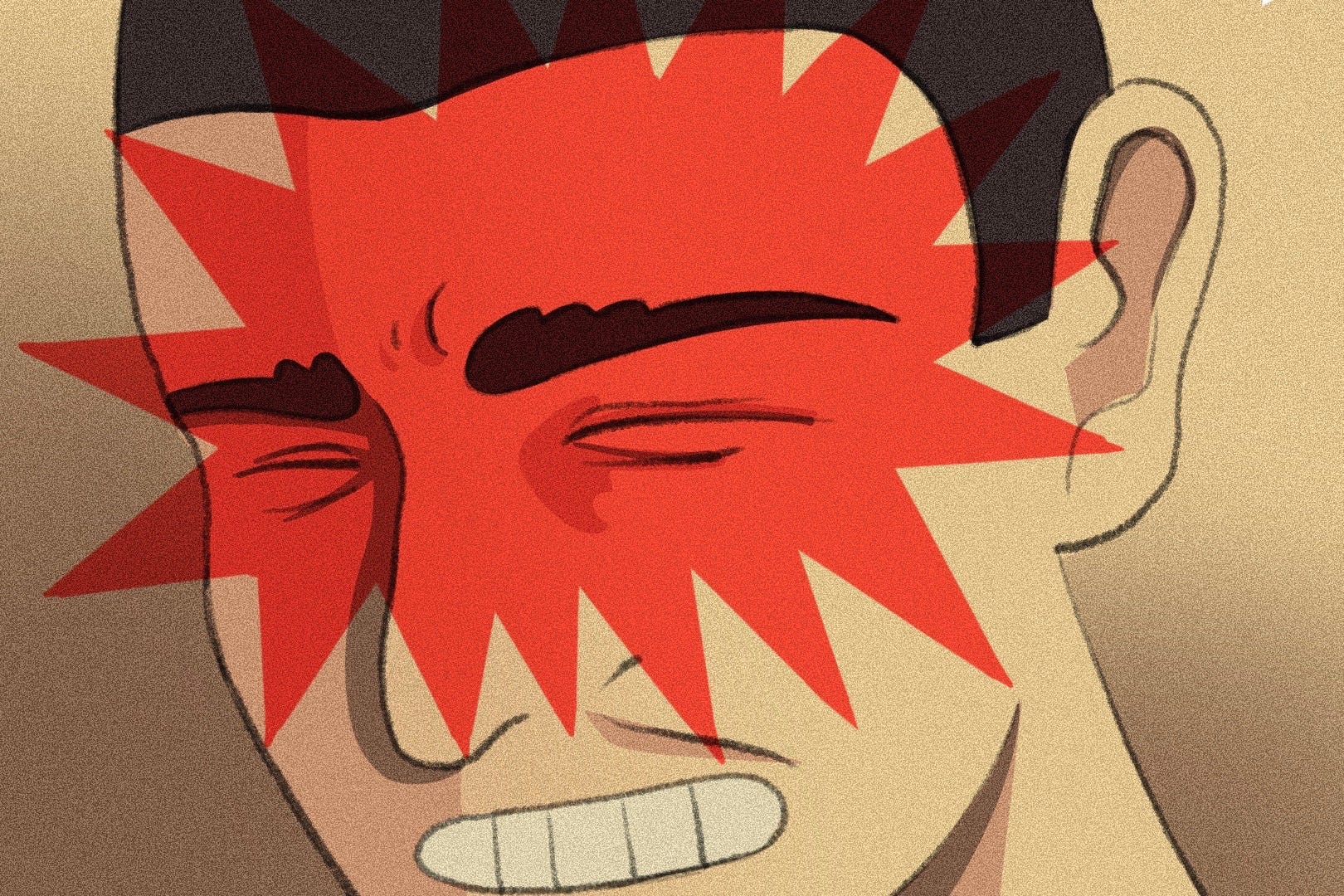
You feel pain. Your knee hurts. Your back aches. You reach for a painkiller. Sometimes it works. Sometimes it doesn’t. Sometimes the pain goes away quickly. Sometimes it lingers for months.
That’s because pain doesn’t work the same way every time. Your body creates different types of pain through completely different mechanisms. And once you understand which type you’re dealing with, everything about managing it becomes clearer.
When Tissue Gets Damaged: Nociceptive Pain
This is the pain most people think of. You cut your finger, sprain your ankle, or develop inflammation in a joint. Specialized nerve endings called nociceptors detect the damage. They send electrical signals up your spinal cord to your brain. Your brain interprets these signals as pain.
This type of pain is proportional to the damage. More tissue damage means stronger signals and more pain. Once the tissue heals, the nociceptors stop firing. The pain goes away. Anti-inflammatory medications work well here because they reduce the inflammation that’s triggering those nerve endings. Rest helps because it gives tissue time to repair.
This is sharp, localized pain that makes sense. You know exactly where it hurts and why.
When Nerves Themselves Are Damaged: Neuropathic Pain
Now imagine the wiring itself is faulty. The nerves that carry pain signals get damaged. Maybe from diabetes affecting nerve health. Maybe from a compressed nerve in your back. Maybe from an injury that damaged the nerve directly.
Damaged nerves don’t need tissue injury to send pain signals. They misfire on their own. They send signals randomly or constantly, even when there’s nothing wrong with the tissue they’re supposed to monitor. This creates burning, shooting, or electric-shock sensations. Tingling or numbness. Pain that doesn’t match any visible injury.
Here’s the critical difference: anti-inflammatory drugs and regular painkillers often do nothing for neuropathic pain. You’re not treating inflammation or tissue damage. You’re dealing with malfunctioning nerves. This type of pain needs medications that calm overactive nerve signals or therapies that help retrain the nervous system.
When Pain Becomes Chronic
Sometimes pain outlasts the original injury. The tissue has healed, but pain persists. This happens when your nervous system becomes hypersensitive. It’s like a volume knob turned too high. Normal sensations start registering as pain. Light touch hurts. Movement that should be fine becomes excruciating.
Your brain and spinal cord have essentially learned to produce pain more easily. This isn’t “all in your head.” It’s a real change in how your nervous system processes signals. Treating chronic pain often means retraining that system through movement, physical therapy, and sometimes medications that modulate nerve activity, not just blocking pain signals.
Why Understanding This Changes Everything
When you know what type of pain you have, you stop wondering why treatments fail. Inflammation-based pain needs anti-inflammatories and rest. Nerve pain needs nerve-specific treatment. Chronic sensitized pain needs nervous system retraining.
Pain isn’t just pain. It’s your body communicating through different channels. Listen to the right channel, and you’ll finally know how to respond.