

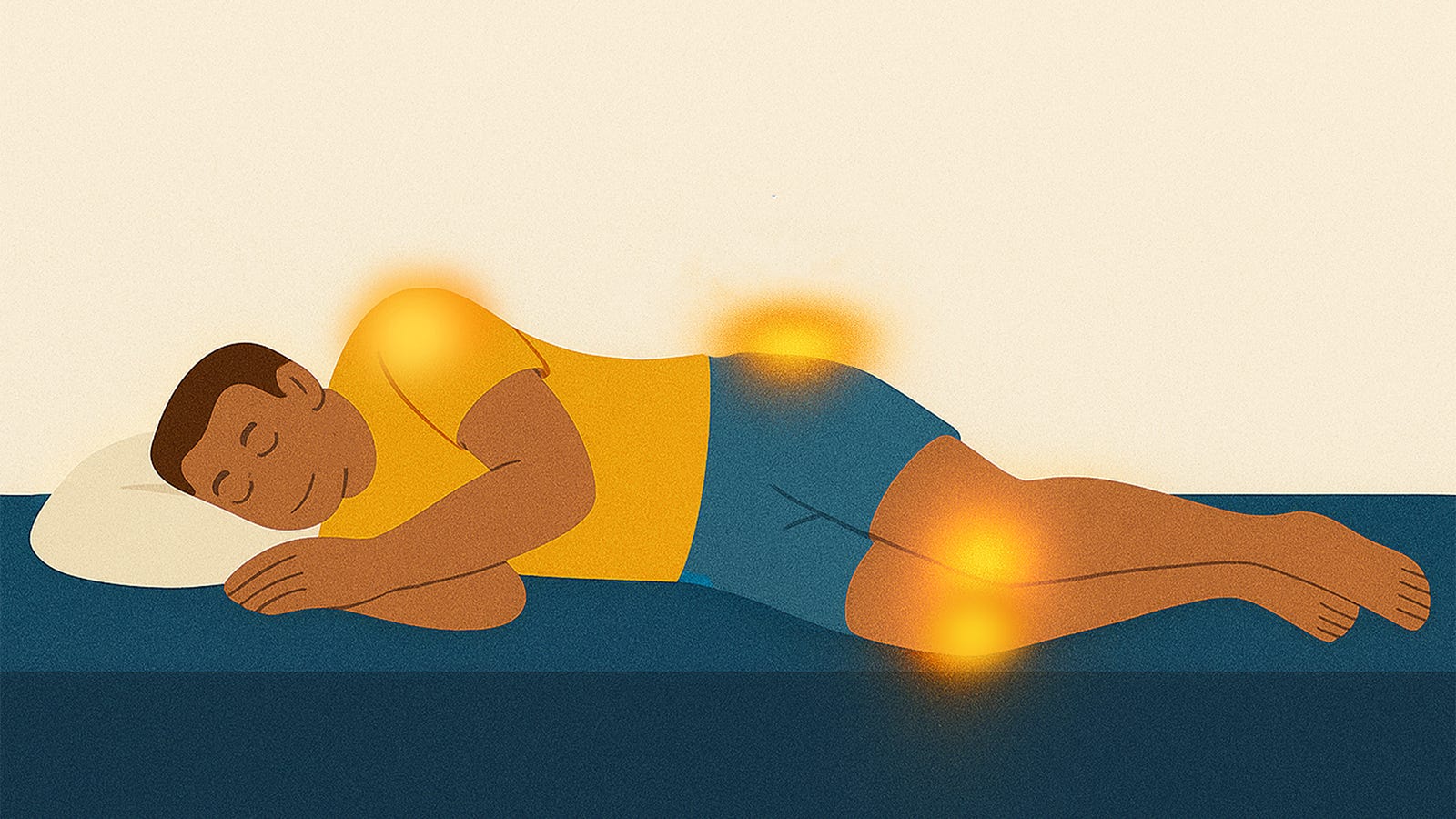
Some mornings, getting out of bed feels like a mini workout. Your joints are stiff, and every movement is a little harder. You might shrug it off as just aging or a busy day ahead. But what if your sleep, or the lack of it, is quietly affecting your joints?
Here’s the quiet story your joints are telling while you rest:
During a good night’s sleep, your body goes into repair mode. Your joints get a break from the constant pressure of standing, walking, or moving around. Cartilage, the cushiony tissue between your bones, soaks up nutrients from the surrounding joint fluid. This helps keep it healthy and flexible. Deep sleep also triggers the release of growth hormone. This hormone plays a big role in repairing cartilage, muscles, and other tissues.
Sleep does something else that is just as important. It helps calm down inflammatory signals in the body. These signals are called pro-inflammatory cytokines. They are small proteins that act like messengers and tell the body when to trigger inflammation. When they stay high for too long, they can slowly wear down cartilage and make joints more sensitive.
Even just one poor night can set off a chain reaction. Poor sleep doesn’t just leave you tired - it affects your joints too.
Did you know? People who sleep less than six hours a night are three times more likely to report joint pain than those getting seven to eight hours.
Poor sleep can also increase pain perception, meaning the same movement may feel more uncomfortable than it actually is. Think of your joints like a sponge. When you sleep well, they soak up all the repair and nourishment they need. But when sleep is cut short, they remain dry, a bit stiff, and suddenly, movement feels harder. Over time, these nightly misses accumulate, making you more prone to aches and flare-ups - even in joints that have always been fine.
And it’s not just about hours in bed. Sleep quality matters. Tossing and turning, waking up often, or having interrupted sleep due to stress or discomfort can all keep your joints in “maintenance mode paused.”
So, what can you do?
Prioritize 7–8 hours of quality sleep: A consistent bedtime and wake-up schedule helps your body get the full repair cycle it needs.
Stretch before bed: Gentle yoga or stretches can relax muscles around your joints and reduce stiffness overnight.
Check your mattress and pillow: Proper support can prevent joint misalignment and unnecessary pressure while you sleep.
Mind your caffeine and late meals: Too much coffee in the evening or heavy meals late at night can disrupt sleep cycles.
The good news is that even small changes in your sleep routine can make a big difference. At night your body does the quiet work of repairing and nourishing your joints. Give it those hours, and you will wake up ready to move with more ease and less discomfort.
After all, true joint care isn’t just about stretches or medicine. It happens while your body quietly repairs itself at night, so you can wake up ready to move comfortably.