

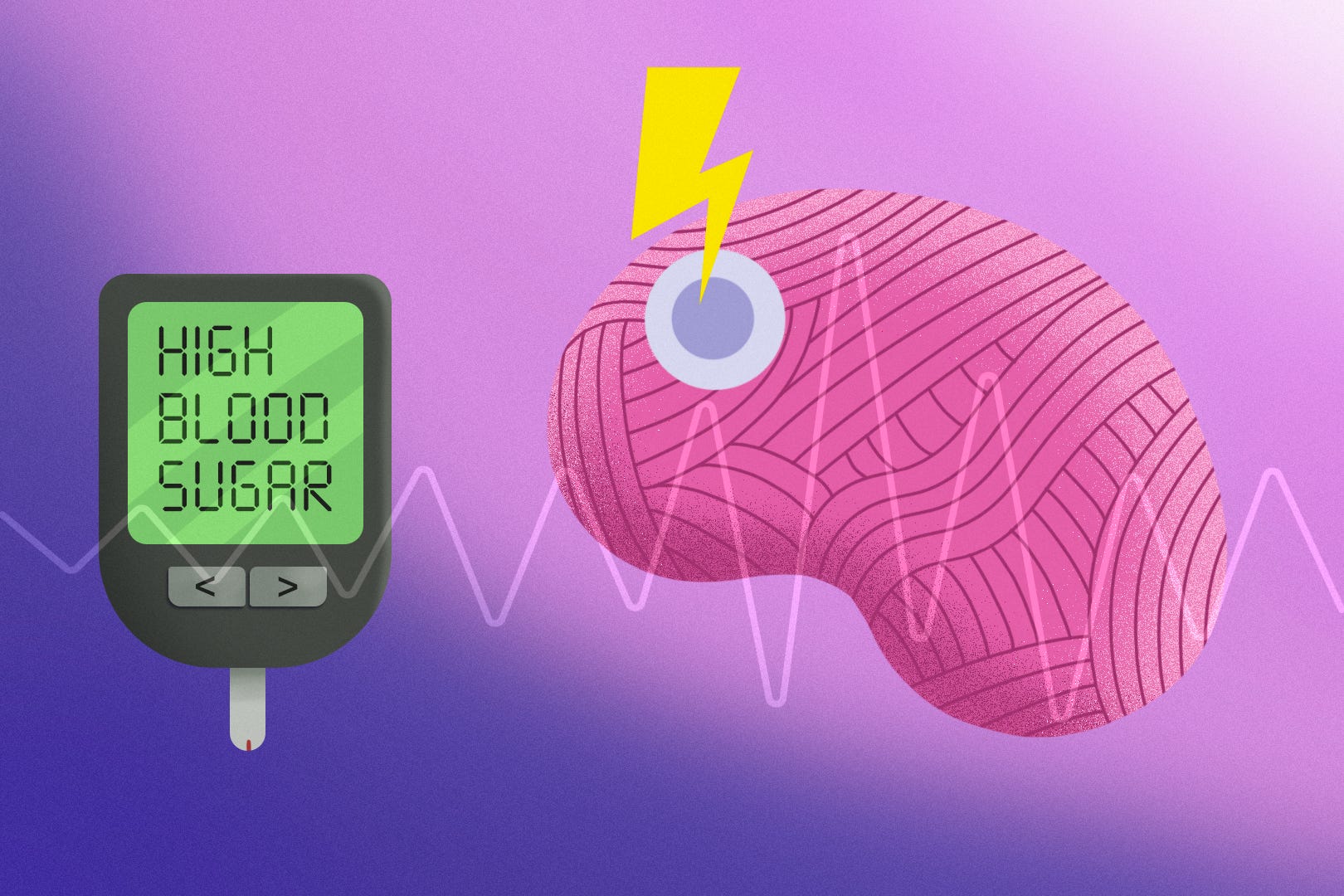
The answer might be yes. And that should get your attention.
Researchers are discovering that Alzheimer’s disease and diabetes share a disturbing connection. High blood sugar doesn’t just damage your body. It damages your brain. In fact, some scientists are now calling Alzheimer’s “Type 3 diabetes” because of what’s happening inside the brains of people with the disease: insulin resistance.
Your brain needs insulin to function. It uses insulin to help cells absorb glucose for energy, just like the rest of your body does. But in Alzheimer’s, the brain becomes resistant to insulin. Brain cells can’t use glucose properly anymore. They starve. They malfunction. They die. Memory fades. Thinking slows. The disease progresses.
And here’s what should worry you: this doesn’t start when you’re 70. It starts decades earlier, silently, while your blood sugar is spiking and crashing day after day.
The Numbers Don’t Lie
People with Type 2 diabetes are twice as likely to develop Alzheimer’s. That’s not a coincidence. High blood sugar damages the tiny blood vessels in your brain. It triggers chronic inflammation. It interferes with how brain cells communicate. Over years and years, this damage accumulates quietly. By the time memory problems appear, your brain has already been struggling for a very long time.
But you don’t need to have diabetes for this to affect you. Even if you’re not diabetic, repeated blood sugar spikes from eating too many refined carbs, skipping meals, or not balancing your plate with protein and fat are still affecting your brain. Every spike. Every crash. Your brain is paying attention, even when you’re not.
What You Can Do Right Now
Here’s the part that matters: you can do something about this today. Protecting your brain isn’t about waiting until you’re older. It’s about the choices you’re making right now.
Control your blood sugar. Eat balanced meals with protein, healthy fats, and fiber. Avoid foods that spike your blood sugar quickly, like refined carbs and sugary snacks. If you’re pre-diabetic, take it seriously. Your brain is at stake.
Move your body regularly. Exercise improves how both your body and your brain use insulin. Even a 20-minute walk after meals makes a difference.
Prioritize sleep. Poor sleep worsens insulin resistance everywhere, including in your brain. Aim for seven to eight hours every night.
Manage stress. Chronic stress releases cortisol, which raises blood sugar and promotes insulin resistance. Find daily ways to lower your stress, even if it’s just 10 minutes of deep breathing.
Eat brain-protective fats. Omega-3 fatty acids support brain health and reduce the inflammation that contributes to Alzheimer’s.
Why This Matters More Than You Think
You can’t change your genetics. But you can absolutely control your blood sugar. You can control your lifestyle. And those daily choices you’re making right now are quietly shaping your brain health 20 or 30 years from now.
Alzheimer’s doesn’t just happen overnight. It builds slowly, over decades. And one of the biggest contributors to that process is something you have direct control over: how well you manage your blood sugar today.
So the next time you’re about to skip a meal, load up on refined carbs, or ignore that pre-diabetes diagnosis, pause and ask yourself: is this worth risking my brain for?
Because your blood sugar today isn’t just about diabetes tomorrow. It might be about whether you remember tomorrow at all!