

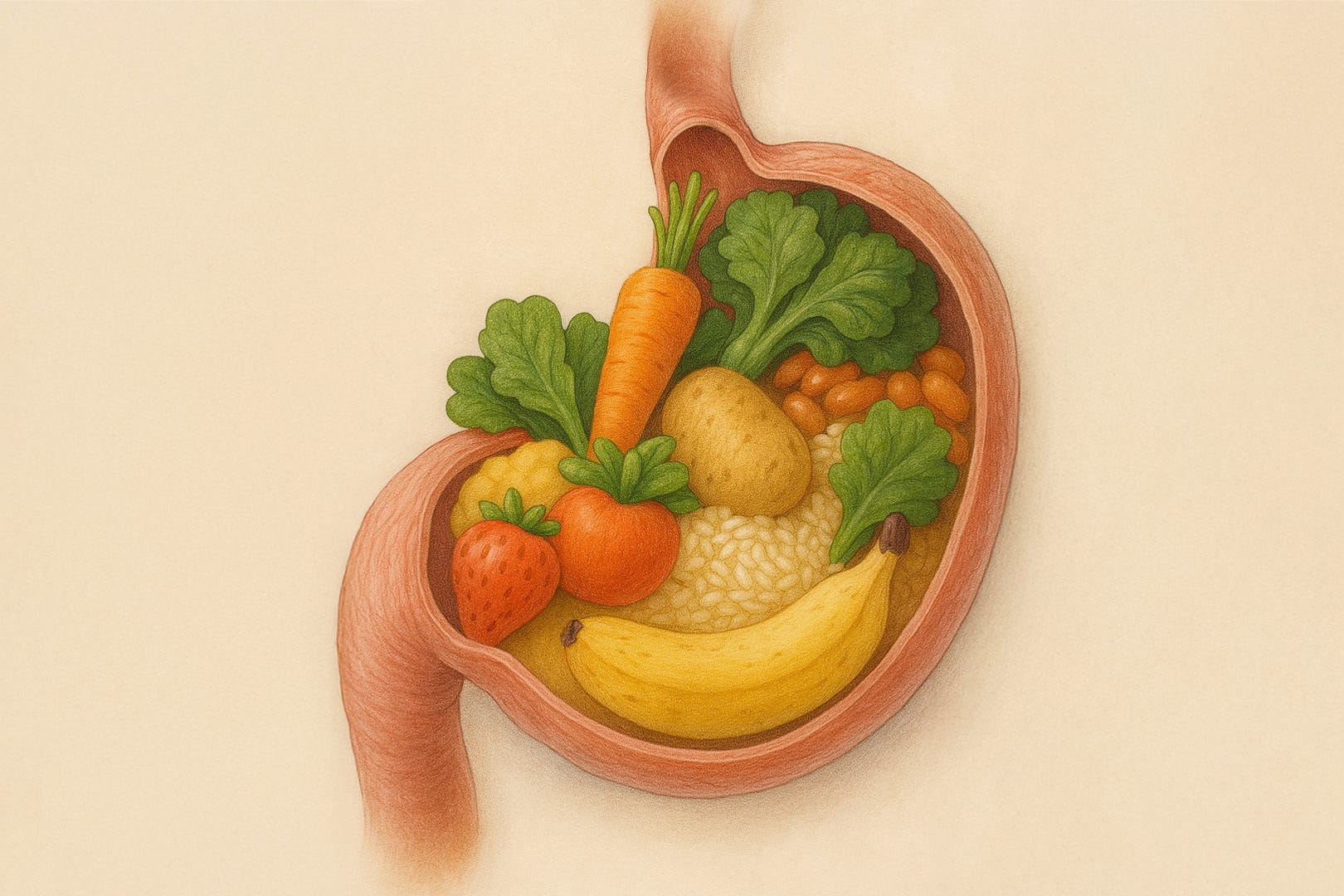
You’ve heard it a thousand times. Eat more fiber. It’s good for digestion. It keeps you regular. It helps with weight management. Basically, fiber is the answer to everything.
So you did. You switched to brown bread. You added oats to your breakfast. You’re eating more salads. You even bought fiber supplements because you wanted to do it right.
But here’s what happened. You’re more bloated than before. Your stomach feels uncomfortable. You’re gassy. And constipation? It hasn’t gotten better. If anything, it’s worse.
You’re doing what everyone says you should. So why isn’t fiber working?
Here’s the truth: fiber isn’t overrated. But the way we talk about it is oversimplified. Because all fiber isn’t the same, and more isn’t always better.
Not All Fiber Does the Same Thing
When people say “eat more fiber,” they’re treating it like one thing. It’s not. There are two main types of fiber, and they do very different jobs in your body.
Soluble fiber dissolves in water and forms a gel-like substance in your gut. This is the fiber that slows digestion, helps stabilize blood sugar, and feeds your good gut bacteria. It makes you feel full and satisfied. You find it in foods like oats, apples, beans, and barley.
Insoluble fiber doesn’t dissolve in water. It adds bulk to your stool and helps things move through your digestive system. Think of it as the broom that sweeps everything along. You find it in whole wheat, vegetables like cauliflower and green beans, and nuts.
Your body needs both. But if you suddenly load up on insoluble fiber without enough water or without gradually building up, it doesn’t sweep things along. It clogs things up. That’s why you feel bloated and backed up instead of lighter and more regular.
Why “Just Eat More Fiber” Backfires
The biggest mistake people make is adding a lot of fiber all at once. Maybe you switched from white rice to brown rice overnight. Or you started eating two bowls of oats every morning when you weren’t eating any before. Your gut bacteria aren’t ready for that sudden change.
Gut bacteria ferment fiber to produce helpful compounds. But when you flood your system with fiber too quickly, they produce excess gas during fermentation. You feel bloated, uncomfortable, and wonder why something “healthy” is making you feel worse.
There’s another problem. Fiber needs water to work. Insoluble fiber especially. If you increase fiber but don’t drink enough water, fiber sits in your intestines and hardens instead of moving through smoothly. This is why some people get more constipated after adding fiber.
What Actually Works
Fiber isn’t the problem. How you’re adding it is. Here’s what makes a difference.
Increase fiber slowly. If you’re not used to eating much fiber, don’t jump from zero to 30 grams a day. Add one fiber-rich food at a time. Give your gut a week or two to adjust before adding more. Your bacteria need time to adapt.
Drink more water. Aim for at least 8 to 10 glasses a day, more if you’re active or it’s hot. Water helps fiber do its job. Without it, fiber can make things worse.
Get both types of fiber. Don’t just load up on wheat bran or brown bread (mostly insoluble). Include oats, beans, fruits, and vegetables (soluble fiber too). Your gut needs both to function well.
Eat a variety of fiber sources. Different fibers feed different bacteria. The more variety you have, the more diverse your gut becomes. This is more important than hitting a specific fiber number.
Pay attention to how you feel. If a particular high-fiber food consistently bloats you, you might be sensitive to it. Fiber from vegetables might work better for you than fiber from grains, or vice versa. Everyone’s gut is different.
So, Is Fiber Overrated?
No. Fiber is essential. It supports your gut bacteria, regulates blood sugar, keeps digestion moving, and helps you feel full. But it’s not magic. And it’s not a one-size-fits-all solution.
The problem isn’t fiber. It’s the advice to “just eat more” without explaining how to do it properly. Without mentioning that you need water. Without telling you to go slow. Without explaining that there are different types.
When you add fiber the right way, gradually, with enough water, and from varied sources, you’ll feel the difference. Better digestion. More stable energy. Less hunger between meals.
But if you’ve been forcing yourself to eat fiber and feeling worse, now you know why. It’s not that fiber doesn’t work. You just needed to know how to work with it.