

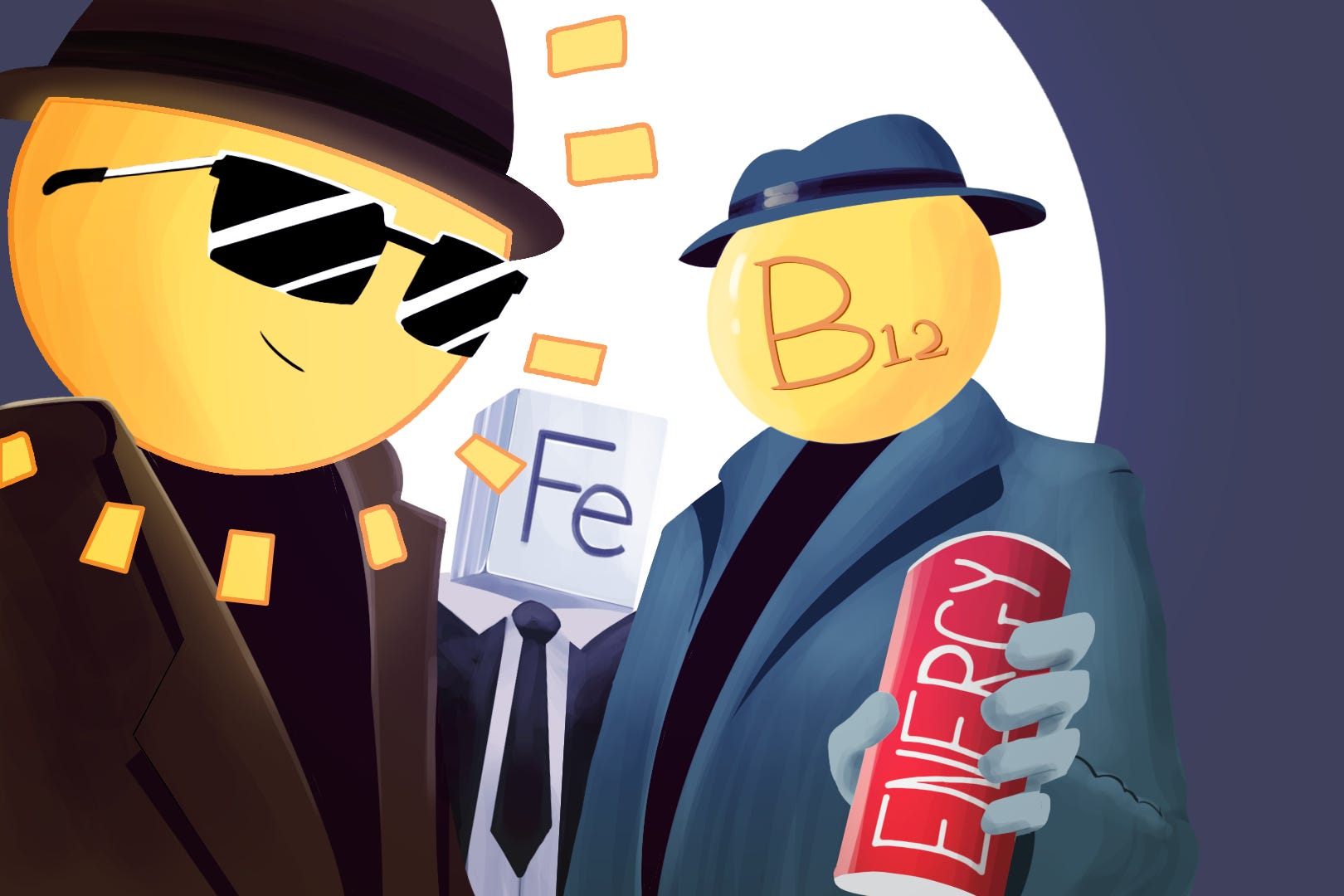
You’re tired. Not the kind of tired that a good night’s sleep fixes. The kind that lingers. You wake up feeling heavy. By afternoon, you’re dragging. Simple tasks feel harder than they should.
You’ve tried sleeping more. Eating better. Drinking more water. But the fatigue doesn’t budge. Maybe you’re also noticing your mood feels lower. Your muscles ache for no clear reason. Your hair seems thinner. Small things irritate you more easily.
You assume it’s just stress. Or age. Or life being overwhelming.
But what if it’s simpler than that? What if your body is just missing a vitamin it desperately needs?
The Three Deficiencies That Drain Your Energy
Three vitamins are quietly missing from many Indian diets, especially for women. When you’re low on any of them, fatigue is often the first and loudest symptom. The tricky part? The tiredness feels vague and constant, so you don’t think to connect it to something as specific as a vitamin.
Vitamin D is the sunshine vitamin, but most of us don’t get nearly enough sun exposure. We’re indoors most of the day. When we’re outside, we use sunscreen or stay covered. Our bodies can’t make vitamin D without direct sunlight on our skin. This vitamin isn’t just about bones. It affects your muscles, your immune system, and your energy levels. When it’s low, you feel tired, your muscles ache, and you might notice you’re catching colds more often.
Vitamin B12 is found mostly in animal foods like eggs, fish, chicken, and dairy. If you’re vegetarian or eat very little of these foods, you’re likely not getting enough. B12 is essential for making red blood cells, which carry oxygen throughout your body. Without enough oxygen reaching your cells, you feel exhausted no matter how much you rest. You might also feel foggy, forgetful, or notice tingling in your hands and feet.
Iron is another one that’s commonly low, especially in women who menstruate. Iron helps your blood carry oxygen. When you’re deficient, your body struggles to deliver oxygen to your muscles and brain. You feel tired, weak, and out of breath doing normal activities. Your skin might look paler. You might crave ice or feel cold often. Hair loss is another common sign.
The frustrating thing? You can feel exhausted for months before realizing it’s a deficiency. And because the symptoms are so general, they’re easy to dismiss.
How to Know If You’re Deficient
The only sure way to know is a blood test. If you’ve been feeling persistently tired despite eating well and sleeping enough, check your vitamin D, B12, and iron levels. These are simple tests that can give you clear answers.
Once you know, you can do something about it. Sometimes food is enough. Sometimes you need supplements for a few months to bring your levels back up. Either way, you’re not guessing anymore.
Getting These Vitamins from Food
If your levels are low, supplements might be necessary at first. But once they’re back to normal, food can help you maintain them.
For Vitamin D: Spend 15 to 20 minutes in the sun daily, ideally in the morning with your arms and legs exposed. Food sources include fatty fish like salmon and mackerel, egg yolks, and fortified milk. But honestly, food alone rarely gives you enough. Sunlight is your best source, and if that’s not possible, a supplement might be needed long-term.
For Vitamin B12: Eggs, dairy like dahi and paneer, fish, and chicken are your best sources. If you’re vegetarian, prioritize eggs and dairy daily. If you’re vegan or eat very little animal products, you’ll likely need a B12 supplement because plant foods don’t provide it in usable forms.
For Iron: Include dal, rajma, chana, leafy greens like spinach or methi and seeds. But here’s the catch: iron from plant sources isn’t absorbed as well as iron from meat. Pairing these foods with vitamin C helps. Have a lemon squeezed on your dal, or eat an orange after your meal. If you eat non-vegetarian, chicken, mutton, and fish provide iron that’s easier for your body to absorb.
When Food Isn’t Enough
Sometimes, even with the right foods, your levels don’t improve. This happens when deficiency is severe, when your body isn’t absorbing nutrients well, or when your needs are higher than usual due to health conditions or life stages like pregnancy.
In these cases, supplements aren’t a failure. They’re a tool. Work with your doctor to find the right dose and type. Once your levels are back to normal, you’ll feel the difference. Your energy returns. Your mood lifts. Those mysterious aches fade. You start feeling like yourself again.
Start With Testing
If fatigue has been your constant companion and nothing seems to help, don’t keep guessing. Get tested. Know what your body actually needs.
Because sometimes, the tiredness you’ve been carrying for months isn’t something you have to live with. It’s just your body asking for something specific. And once you give it what it needs, everything starts feeling lighter.