

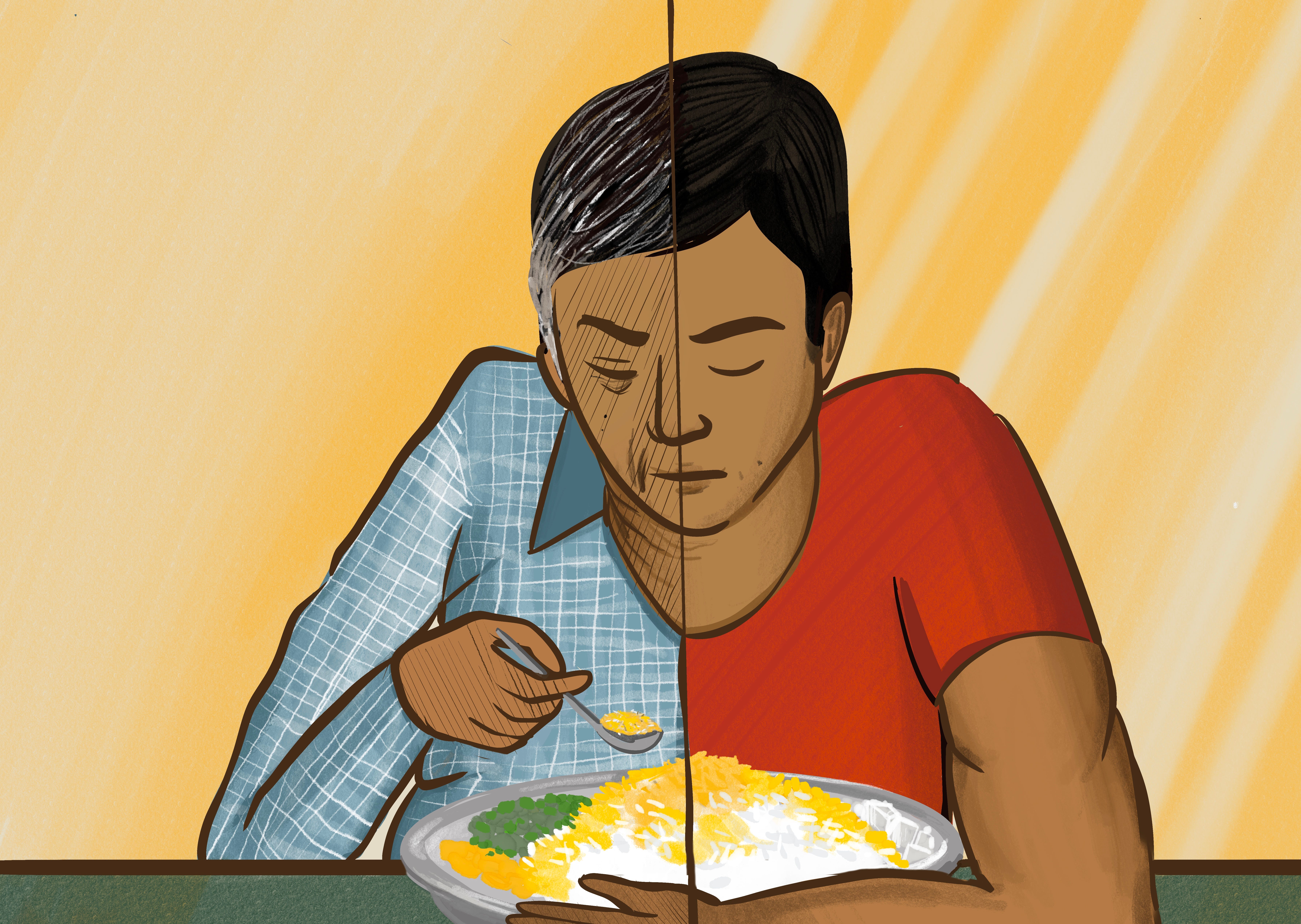
You know that moment when climbing the stairs feels heavier than before. Or when your favourite kurta does not drape the same way on your arms.
It is subtle. Easy to dismiss. You think you are just tired. Or that you need to exercise more.
But sometimes it is not just about exercise or age. It could be about protein.
Many people in their 40s hear this for the first time from their doctor -
“You need more protein in your diet.”
It comes as a surprise. Because we believe we are already eating enough. A little dal at lunch, some sabzi at dinner, maybe curd. That should be enough, right?
Not always!
Why protein needs rise after 40
From your late 30s onwards the body begins to lose muscle slowly. This is called sarcopenia. You may not notice it at first. But over the years it shows up as less strength, slower metabolism, or more aches and pains.
Hormonal changes during perimenopause and menopause make a difference too. As estrogen levels drop, your muscles don’t respond to protein as efficiently as before. Even if you eat the same amount, your body builds and repairs muscle more slowly. Add a slight decrease in how well your cells use nutrients, and the result is that you need a bit more protein to get the same benefit.
Protein is not only about muscles. It helps keep bones strong. It supports hormones. It builds antibodies that protect against infections. It keeps you full for longer and helps manage weight.
When protein is too low, the effects are easy to feel. You may notice more fatigue, slower recovery after exercise, constant hunger or a softening of muscle tone even if your weight stays the same.
You might be wondering how much protein is enough. The usual guideline of 0.8 grams per kilo of body weight is really just the minimum to avoid deficiency. After 40, most people need a little more - around 1 to 1.2 grams per kilo, to keep muscles strong and metabolism steady.
For a 60 kg woman, that works out to about 60 to 72 grams a day. It sounds doable, but in reality, the average Indian diet often falls short by 20 to 30 grams. Over time, that gap can quietly affect muscle health and energy.
The good news is hitting your protein target doesn’t mean overhauling every meal. There are simple ways to bring more protein onto your plate without making it complicated.
Easy ways to add more protein
Power up breakfast – Swap tea and toast for protein-rich options like 2 boiled eggs (≈12 g protein), 1 katori (100 g) Greek yogurt with a handful of nuts (≈8–10 g), or a glass of smoothie made with milk and 2 tbsp peanut butter or protein powder (≈15–20 g). Starting your day with protein keeps you full, energized, and sets the tone for healthy eating.
Rethink your lunch & dinner plates – At your main meals, build your plate around a good source of protein rather than treating it as a side dish. 1 katori cooked dal (≈6-9 g), rajma or chole (≈12-15 g), 100 g paneer (≈14 g), or 100 g cooked chicken or fish (≈20–25 g) are great options. Centering your plate around these protein-rich dishes (instead of the cereal, like we are accustomed to doing) will help you meet your protein goal, keeping you feeling full and energized.
Combine Foods for Complete Protein
Plant proteins by themselves aren’t always “complete.” For example, cereals like rice or wheat are low in the amino acid lysine, while pulses like dal or rajma are low in methionine. Eating them alone gives you an incomplete protein, but combining them provides all the essential amino acids your body needs. For instance, 1 cup rice with ½ katori dal (≈10–12 g protein) or 2 chapatis with ½ katori rajma (≈12 g protein) makes a balanced, high-quality protein meal. A complete protein gives your body all the essential amino acids it needs to build and repair muscles, support hormones, and keep you strong and healthy.
Snack smart – Replace biscuits or fried snacks with protein-rich alternatives like ½ katori roasted chana (≈7–8 g), cheese cubes (≈6–7 g), or 3 tbsp hummus with vegetable sticks (≈4–5 g). These small swaps help you stay energized between meals without adding empty calories.
Fill the gap if needed – On busy days, 1 scoop of whey or plant-based protein (≈20–25 g) can help. Think of it as a bridge, not a replacement.
Bringing it all together
Protein after 40 is more than a nutrient. It is your body’s support system. It protects muscles and bones. It helps your hormones and energy.
So the next time you plan your plate, pause for a moment and ask yourself - Am I secretly starving my muscles? With a few extra protein-rich choices each day, you can keep your muscles strong and your body resilient.