

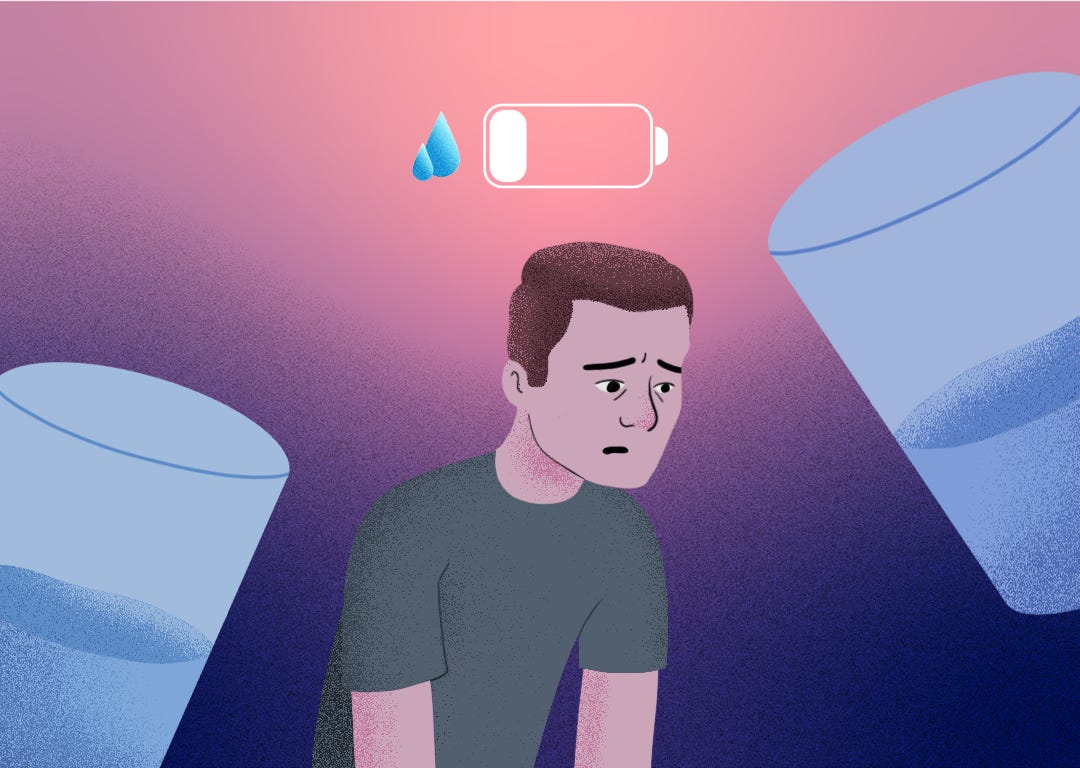
It’s 3 PM and you’re staring at your screen. Your head feels heavy. Your eyes are dry. That lower back ache has been nagging you all day.
You reach for another cup of chai. Maybe some biscuits. Anything to shake off this sluggishness.
But here’s a question: When was the last time you drank a full glass of water?
Not chai. Not coffee. Just plain water.
If you’re struggling to remember, that fog you’re feeling might not be stress or lack of sleep. Your body might just be thirsty.
The Quiet Signs Your Body Needs Water
Thirst is obvious. A dry mouth is hard to miss. But your body doesn’t always signal dehydration that clearly.
Sometimes it shows up as a headache that won’t go away. Or stiff joints when you get up from your chair. It might be that afternoon energy crash you’ve accepted as normal. Or constipation that nothing seems to fix.
Your body is about 60% water, and every single cell depends on it. Water helps digest food, carry nutrients, regulate temperature, cushion joints, and flush out waste. When you don’t have enough, everything slows down.
Even losing just 1-2% of your body’s water can affect mood, focus, and energy levels. That’s less than what makes you feel obviously thirsty.
You could be running below your best simply because you haven’t had enough water today.
Why We Don’t Drink Enough
You get busy. You forget. By the time you feel thirsty, you’re already a bit dehydrated.
And if you’re sipping chai or coffee all day, your brain thinks you’re hydrated. But caffeine can make you lose some water through increased urination, so you may not be keeping up.
Then there’s that “eight glasses a day” rule. It sounds rigid, and when it feels unrealistic, it’s easy to give up altogether.
Here’s a simpler check:
If your urine is dark yellow, you need more water.
If you feel thirsty, you’re already behind.
And if you only drink water with meals, it’s probably not enough.
What Happens When You’re Consistently Low on Water
Dehydration doesn’t always announce itself loudly. Its effects build up quietly over time:
Stiffer joints: The cushioning between them relies on water to stay soft and flexible.
Sluggish digestion: Water helps move food through your system. Without it, constipation becomes a daily frustration.
Dull, tired skin: Hydration starts from within.
Low energy: When you’re dehydrated, your heart has to work harder to pump blood, making you feel tired.
Foggy focus: Even mild dehydration can impair attention and memory.
None of this happens overnight. But over weeks or months, being slightly low on water most days can leave you feeling below your best without realizing why.
How Much Water Do You Actually Need?
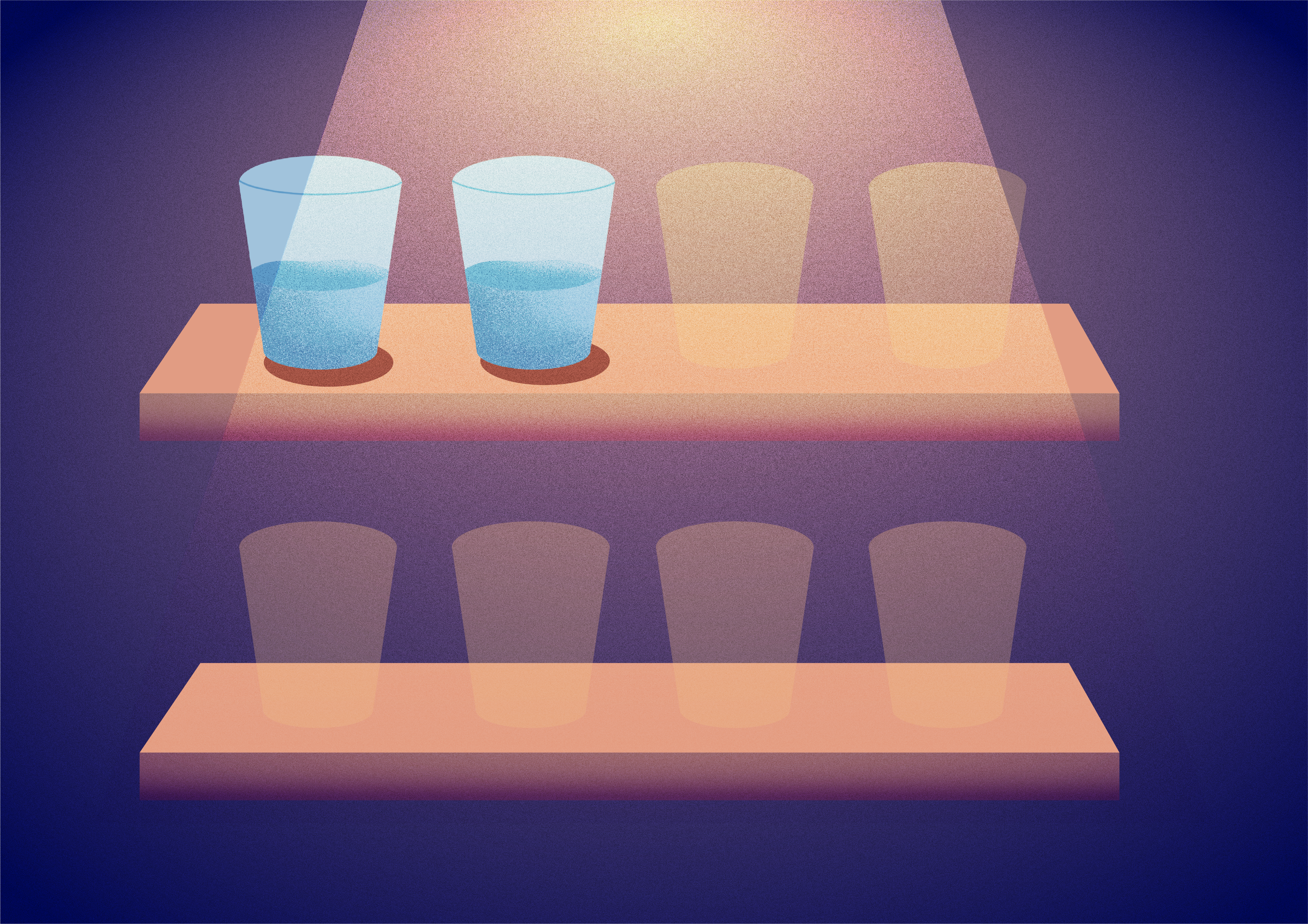
Forget rigid rules. A good general range for most adults is about 2 to 3 liters of total fluid a day, with at least half coming from plain water.
But instead of counting glasses, watch for these signs that you’re well-hydrated:
Your urine is pale yellow.
You rarely feel thirsty.
Your energy stays steady through the day.
Your skin doesn’t feel constantly dry.
You’ll need more water if you’re physically active, if the weather is hot, or if you’re unwell (especially with fever, vomiting, or diarrhea). Your body is good at sending cues, you just need to start paying attention.
Simple Ways to Drink More Water
Start your day with water. Keep a glass by your bed and drink it first thing, even before your morning chai.
Link it to daily habits. Have a glass before every meal or after every bathroom break.
Keep water visible. A bottle on your desk is a visual reminder to sip through the day.
Add flavor. If plain water feels boring, add lemon, cucumber, or mint to make it more interesting.
Eat hydrating foods. Fruits like watermelon, oranges, and muskmelon and foods like curd and soups - add up.
Set reminders because sometimes, all you need is a gentle nudge.
Keep It Simple
You don’t need to carry a huge bottle everywhere or stress about exact numbers. Some days you’ll drink more, some days less - and that’s fine.
What matters is not spending most days mildly dehydrated without realizing it.
When you start drinking enough water consistently, you may notice small but steady changes:
That dull headache eases. The 3 PM slump fades. Your joints feel smoother.
Sometimes the simplest things make the biggest difference.
Your body is asking for what it needs. All you have to do is listen and pour yourself a glass of water!